
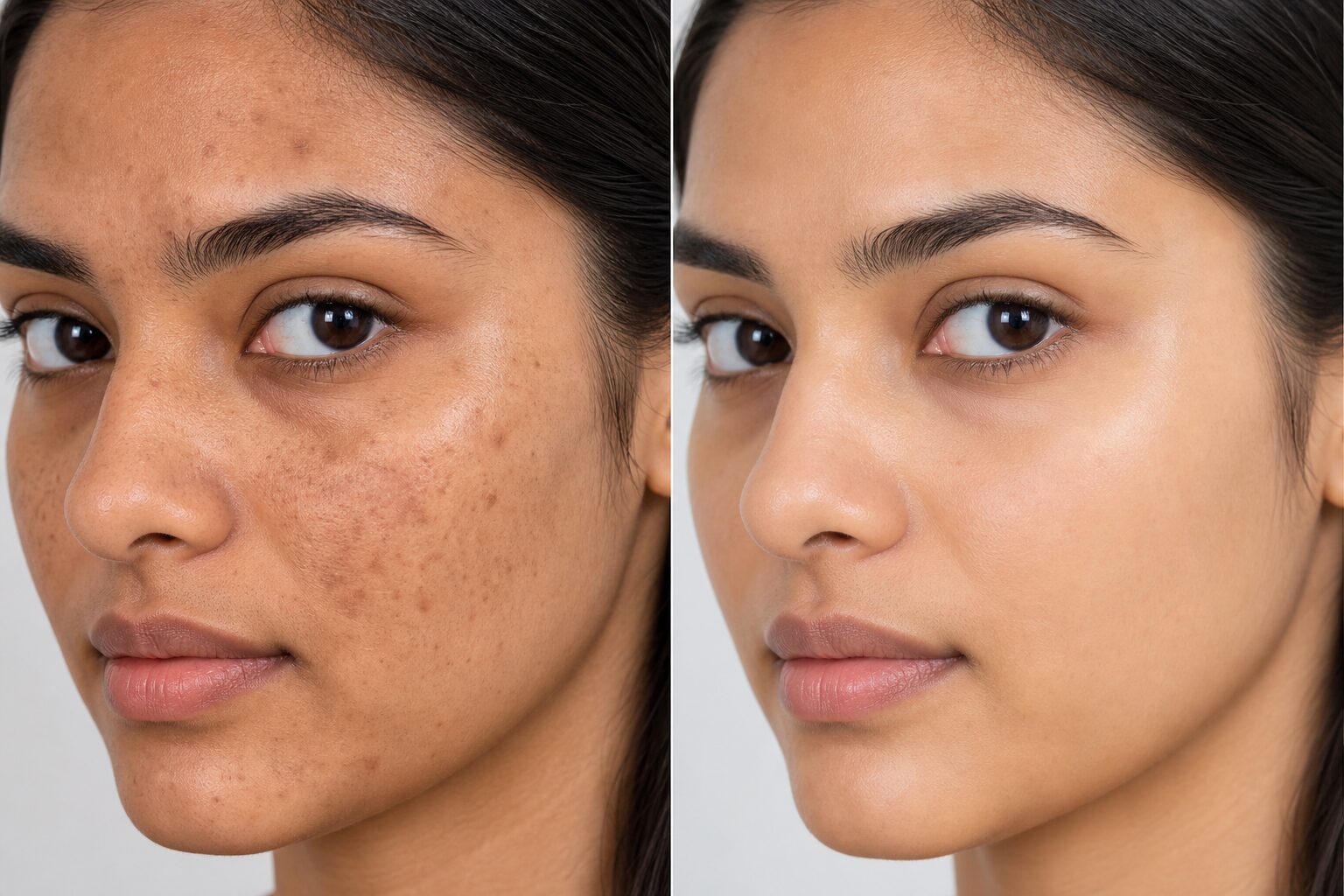
The reflection you see should be a source of confidence, not a reminder of time’s subtle touch. Yet, the search for clear, even skin often leads to a common concern: how to address hyperpigmentation and achieve a radiant complexion. For those seeking a truly transformative solution that looks beautifully and authentically their own, Dark Spot Removal presents a sophisticated answer. This guide offers a remarkable, multi-faceted approach that provides both immediate improvement and long-term revitalization.
In this comprehensive guide, we will explore the science behind dark spots, demystify effective treatments, and detail what you can expect on your journey to clearer skin. We’ll explain why the expert touch of a skilled professional is key to achieving the luminous, even skin tone you desire. Consider this your personal invitation to discover a more radiant, revitalized you, built on a foundation of healthy, uniform skin.
Key Takeaways for Brilliant Dark Spot Removal
- Understand the various causes of dark spots, from sun exposure to hormonal changes, to effectively target your Dark Spot Removal strategy.
- Learn about 7 brilliant ways to achieve an even skin tone, encompassing both powerful at-home remedies and advanced professional treatments.
- Discover the most effective active ingredients in serums and correctors, and how to choose the best dark spot solution for sensitive skin.
- Evaluate the benefits of professional procedures like laser Dark Spot Removal and chemical peels, including their costs and potential side effects.
- Master essential prevention strategies to stop new dark spots from forming and maintain your clear, radiant complexion long-term.
What Causes Dark Spot Removal Needs? Understanding Hyperpigmentation
Your journey to an even skin tone begins with understanding the root causes of hyperpigmentation. Dark Spot Removal often requires a targeted approach, and knowing what triggers these spots is the first step. Dark spots, medically known as hyperpigmentation, are areas of skin that become darker than the surrounding skin due to an overproduction of melanin, the pigment that gives skin its color.
This excess melanin can be triggered by various factors, leading to different types of dark spots. Identifying the specific type of hyperpigmentation you have is crucial for selecting the most effective treatment. A precise diagnosis ensures your efforts towards clearer skin are well-directed and yield the best possible results.
Types of Dark Spots and Their Causes
Several common culprits contribute to the appearance of dark spots on the face and body. Understanding these distinct types helps in formulating an effective Dark Spot Removal plan. Each type requires a slightly different consideration for treatment and prevention, ensuring a comprehensive approach to skin clarity.
- Sunspots (Solar Lentigines): These are perhaps the most common type, caused by prolonged exposure to ultraviolet (UV) radiation. They typically appear on sun-exposed areas like the face, hands, and décolletage, often increasing in number and size with age.
- Melasma: Often referred to as the “mask of pregnancy,” melasma is characterized by larger patches of hyperpigmentation, usually on the face. It is primarily triggered by hormonal fluctuations (pregnancy, birth control pills) combined with sun exposure.
- Post-Inflammatory Hyperpigmentation (PIH): This occurs after skin inflammation or injury, such as acne, eczema, or cuts. As the skin heals, it produces excess melanin, leaving behind a dark mark. PIH can range from pink to red, brown, or black, depending on skin tone.
- Age Spots: Similar to sunspots, these are also linked to sun exposure and appear as we age. They are often found on areas frequently exposed to the sun, indicating cumulative damage over time.
7 Brilliant Ways for Dark Spot Removal: At-Home & Professional Solutions
Achieving an even skin tone is a goal for many, and thankfully, there are numerous effective strategies for Dark Spot Removal. From gentle home remedies to advanced dermatological procedures, finding the right approach depends on the type, severity, and your skin’s unique needs. This section explores seven brilliant ways to tackle hyperpigmentation and reveal a brighter complexion.
It’s important to remember that consistency is key, regardless of the method chosen. Patience and diligent application of treatments, combined with strict sun protection, will yield the most satisfying results. Always consult with a skincare professional to tailor a plan best suited for your individual skin concerns.
1. Natural Home Remedies for Dark Spot Removal
Many people wonder how to remove dark spots naturally at home. While not as potent as professional treatments, certain natural ingredients can offer mild brightening effects over time. These remedies work best for superficial spots and require consistent application. Do home remedies like lemon juice or aloe vera work for dark spots? Some have anecdotal support, but scientific evidence is often limited.
- Aloe Vera: Contains aloin, a natural depigmenting compound that can help lighten dark spots. Apply fresh aloe vera gel directly to the spots daily.
- Green Tea Extract: Rich in antioxidants, green tea can help reduce melanin production. Use a cooled green tea bag or a green tea extract serum.
- Turmeric: Curcumin in turmeric has skin-lightening properties. Mix turmeric powder with honey or milk to create a paste and apply to affected areas.
- Apple Cider Vinegar: Its alpha hydroxy acids (AHAs) can gently exfoliate the skin. Dilute with water before applying to avoid irritation.
While these natural options can be a starting point, for more stubborn or widespread hyperpigmentation, professional guidance is often necessary.
Ready for Brilliant Dark Spot Removal and Clearer Skin?
At MD Touch Aesthetics and Wellness, we offer expert-led solutions for achieving a luminous, even skin tone. Dr. Carlos Jurado and our team are dedicated to personalized care and remarkable results.
Effective Dark Spot Removal Serums and Topicals
Are dark spot remover serums truly effective? Absolutely. For many, topical treatments form the cornerstone of an effective Dark Spot Removal regimen. These products contain active ingredients specifically formulated to inhibit melanin production, accelerate cell turnover, or both. Consistency and patience are vital when using these serums, as results typically appear over several weeks to months.
Choosing the right serum involves understanding the key ingredients and how they work. It’s also crucial to consider your skin type, especially if you have sensitive skin, to avoid irritation. A well-chosen topical can significantly reduce the appearance of dark spots and prevent new ones from forming.
Key Active Ingredients for Dark Spot Removal
Which active ingredients are most effective in dark spot removal products? A combination of these ingredients often yields the best results. These powerful compounds work through various mechanisms to target hyperpigmentation effectively.
- Hydroquinone: Considered the gold standard, it works by inhibiting the enzyme tyrosinase, which is essential for melanin production. Available in prescription and lower over-the-counter strengths.
- Retinoids (Retinol, Tretinoin): Derived from Vitamin A, they increase cell turnover, helping to shed pigmented skin cells faster. They also improve overall skin texture.
- Vitamin C (Ascorbic Acid): A potent antioxidant that brightens skin, inhibits melanin production, and protects against sun damage.
- Niacinamide (Vitamin B3): Reduces the transfer of melanin to skin cells, improves skin barrier function, and has anti-inflammatory properties.
- Alpha Arbutin & Kojic Acid: Natural alternatives to hydroquinone that also inhibit tyrosinase, offering effective brightening with less irritation.
- Azelaic Acid: Reduces melanin production and has anti-inflammatory and antibacterial properties, making it excellent for PIH.
Choosing the Best Dark Spot Corrector for Sensitive Skin
For sensitive skin, selecting a dark spot corrector requires careful consideration to avoid irritation. Look for formulations that are gentle yet effective. Ingredients like niacinamide, alpha arbutin, azelaic acid, and licorice root extract are generally well-tolerated. Always patch test a new product on a small area of skin before applying it to your entire face.
Avoid high concentrations of ingredients like hydroquinone or strong retinoids initially. Instead, opt for products that combine several milder brightening agents. Consulting a dermatologist can help identify the best dark spot corrector for your specific sensitive skin needs, ensuring both efficacy and comfort.

Professional Dark Spot Removal Treatments: Lasers, Peels, and More
When at-home remedies and topical serums aren’t enough, professional treatments offer more dramatic and faster results for Dark Spot Removal. These procedures are performed by dermatologists or licensed aestheticians and can effectively target deeper pigmentation. They are particularly beneficial for stubborn sunspots, melasma, and significant post-inflammatory hyperpigmentation.
It’s important to have a thorough consultation to determine the most suitable treatment for your skin type and the nature of your dark spots. A skilled professional can assess your skin, discuss your goals, and recommend a personalized plan, ensuring optimal safety and efficacy. This expert guidance is crucial for achieving brilliant, lasting results.
Understanding Laser Dark Spot Removal
Laser dark spot removal is one of the most effective professional treatments available. Lasers work by delivering concentrated light energy to the pigmented areas, breaking down the melanin into smaller particles that the body can then naturally clear away. Different types of lasers are used depending on the depth and type of pigmentation.
For instance, Q-switched lasers, picosecond lasers, and intense pulsed light (IPL) are commonly employed. These treatments are highly precise, targeting only the pigmented cells while minimizing damage to the surrounding skin. Multiple sessions are usually required for optimal results, with gradual fading of the spots over time.
Chemical Peels for Dark Spot Removal
Chemical peels involve applying a chemical solution to the skin, which exfoliates the top layers and encourages new, unpigmented skin to surface. Peels can range from superficial to medium depth, with stronger peels offering more significant results but also requiring more downtime. Ingredients like alpha hydroxy acids (AHAs), beta hydroxy acids (BHAs), trichloroacetic acid (TCA), and Jessner’s solution are commonly used.
Chemical peels are effective for various types of hyperpigmentation, including sunspots and PIH. They not only help with Dark Spot Removal but also improve overall skin texture and tone. As with lasers, a series of treatments is often recommended for the best outcome.
Microdermabrasion and Microneedling
Microdermabrasion is a minimally invasive procedure that uses a specialized applicator to gently exfoliate the outer layer of skin, helping to reduce superficial dark spots and improve skin texture. It’s best for mild hyperpigmentation and requires no downtime.
Microneedling involves creating tiny punctures in the skin to stimulate collagen production and enhance the penetration of topical brightening agents. While primarily known for texture improvement, it can also aid in Dark Spot Removal, especially when combined with serums containing vitamin C or tranexamic acid. A comprehensive guide on hyperpigmentation treatments from the American Academy of Dermatology highlights these and other options.
Cost of Professional Dark Spot Removal
How much does professional dark spot removal treatment cost? The cost varies widely depending on the type of treatment, the number of sessions required, the size and number of spots being treated, and the clinic’s location. Laser treatments can range from a few hundred to over a thousand dollars per session, while chemical peels might be less. A personalized consultation is essential to get an accurate quote and understand the full investment.
Preventing New Dark Spots: Essential Strategies for Lasting Results
Is dark spot removal a permanent solution? While treatments can significantly reduce or eliminate existing dark spots, preventing new ones from forming is crucial for lasting results. The skin’s tendency to produce excess melanin can be reactivated, especially by sun exposure. Therefore, diligent preventative measures are key to maintaining an even and radiant complexion.
Why do some dark spots reappear after treatment? Often, it’s due to continued sun exposure or not addressing the underlying triggers. Hormonal factors for melasma, for example, require ongoing management. Incorporating these preventative strategies into your daily routine will help safeguard your skin and prolong the benefits of your Dark Spot Removal efforts.
Daily Sun Protection is Non-Negotiable
This is perhaps the single most important step in preventing new dark spots. UV radiation is the primary trigger for melanin production and can cause existing spots to darken or reappear. Consistent sun protection is vital for everyone, regardless of skin tone or previous treatments.
- Broad-Spectrum SPF 30+ Sunscreen: Apply daily, rain or shine, even indoors if near windows. Reapply every two hours when outdoors.
- Protective Clothing: Wear wide-brimmed hats, sunglasses, and UPF (Ultraviolet Protection Factor) clothing when spending extended time outdoors.
- Seek Shade: Avoid peak sun hours (10 AM to 4 PM) whenever possible.
Gentle Skincare and Avoiding Picking
Post-inflammatory hyperpigmentation (PIH) is a common type of dark spot caused by skin injury or inflammation. To prevent PIH, it’s essential to treat your skin gently.
- Do Not Pick or Squeeze: Resist the urge to pick at acne, bug bites, or any skin lesions. This can worsen inflammation and lead to darker, more persistent spots.
- Manage Inflammatory Skin Conditions: If you have acne, eczema, or other inflammatory conditions, work with a dermatologist to manage them effectively and minimize flare-ups.
- Use Gentle Products: Avoid harsh scrubs or irritating ingredients that can compromise your skin barrier and trigger inflammation.
Your Journey to Brilliant Dark Spot Removal in Coral Springs
Embarking on a journey to achieve an even skin tone is a personal and empowering decision. Whether you’re dealing with sunspots, melasma, or post-inflammatory hyperpigmentation, effective Dark Spot Removal is within reach. The key lies in understanding your skin, choosing the right treatments, and committing to a consistent skincare and prevention routine.
How long does it take to see results from dark spot treatments? Results vary. Topical products typically show improvement in 6-12 weeks, while professional treatments might show faster results, often within 2-4 sessions over a few months. Patience and consistency are your allies.
Who is the best dermatologist for dark spot removal in my area? For residents in Coral Springs, MD Touch Aesthetics and Wellness offers expert-led solutions. Dr. Carlos Jurado and our team are dedicated to providing personalized care, ensuring you receive the most effective and safest treatments for your unique skin concerns. We believe every patient deserves a tailored approach to achieve their aesthetic goals.
What are the potential side effects of dark spot removal procedures? Side effects can include temporary redness, swelling, or mild discomfort, depending on the treatment. These are typically mild and resolve quickly. During your consultation, we will thoroughly discuss all potential side effects and how to minimize them.
How do I book a consultation for dark spot removal? To begin your journey, simply visit our website at mdtouchfl.com or call us directly. We look forward to helping you unlock your most radiant, even-toned skin.
Frequently Asked Questions About Dark Spot Removal
Your Questions About Dark Spot Removal, Answered
What causes dark spots on the face?
Dark spots on the face, medically known as hyperpigmentation, are primarily caused by excessive melanin production. Common triggers include prolonged sun exposure, hormonal changes (like during pregnancy, leading to melasma), post-inflammatory hyperpigmentation from acne or injury, and certain medications.
Are dark spot remover serums truly effective?
Yes, many dark spot remover serums are highly effective, especially those containing active ingredients such as hydroquinone, retinoids (retinol, tretinoin), vitamin C, niacinamide, alpha arbutin, or kojic acid. Consistent use over several weeks to months can significantly lighten existing dark spots and prevent new ones.
What is the best dark spot corrector for sensitive skin?
For sensitive skin, look for dark spot correctors with gentle, yet effective ingredients like niacinamide, alpha arbutin, azelaic acid, or licorice root extract. These ingredients help reduce hyperpigmentation without causing significant irritation. Always perform a patch test first.
How much does professional dark spot removal treatment cost?
The cost of professional dark spot removal varies widely depending on the type of treatment (e.g., laser, chemical peel, microdermabrasion), the size and number of spots, and the clinic’s location. Prices can range from a few hundred to over a thousand dollars per session, often requiring multiple sessions for optimal results. A consultation is essential for an accurate quote.
Why do some dark spots reappear after treatment?
Dark spots can reappear after treatment if the underlying cause is not addressed, particularly continued sun exposure. Melanin production is often reactivated by UV radiation. Hormonal factors or post-inflammatory responses can also lead to recurrence, emphasizing the importance of diligent sun protection and a consistent skincare routine.
How can I prevent new dark spots from forming on my skin?
Preventing new dark spots involves daily sun protection, including broad-spectrum SPF 30+ sunscreen, hats, and protective clothing. Additionally, avoiding picking at acne or skin lesions, and using skincare ingredients like antioxidants (Vitamin C) can help maintain an even skin tone.
Which active ingredients are most effective in dark spot removal products?
The most effective active ingredients for dark spot removal include hydroquinone (prescription-only), retinoids (retinol, tretinoin), vitamin C, alpha arbutin, kojic acid, azelaic acid, and niacinamide. Each works through different mechanisms to inhibit melanin production or accelerate cell turnover.
How long does it take to see results from dark spot treatments?
Results from dark spot treatments vary significantly depending on the severity of the spots, the chosen treatment method, and individual skin response. Topical products typically show visible improvement in 6-12 weeks, while professional treatments like lasers or peels might show faster results, often within 2-4 sessions over a few months.
How do I book a consultation for dark spot removal?
To book a consultation for dark spot removal at MD Touch Aesthetics and Wellness in Coral Springs, FL, you can visit our website at https://mdtouchfl.com/ or call us directly at (954) 960-6321. Our team will help you schedule an appointment with our specialists to discuss your concerns and develop a personalized treatment plan.