When Hormone Changes Start Disrupting Daily Life
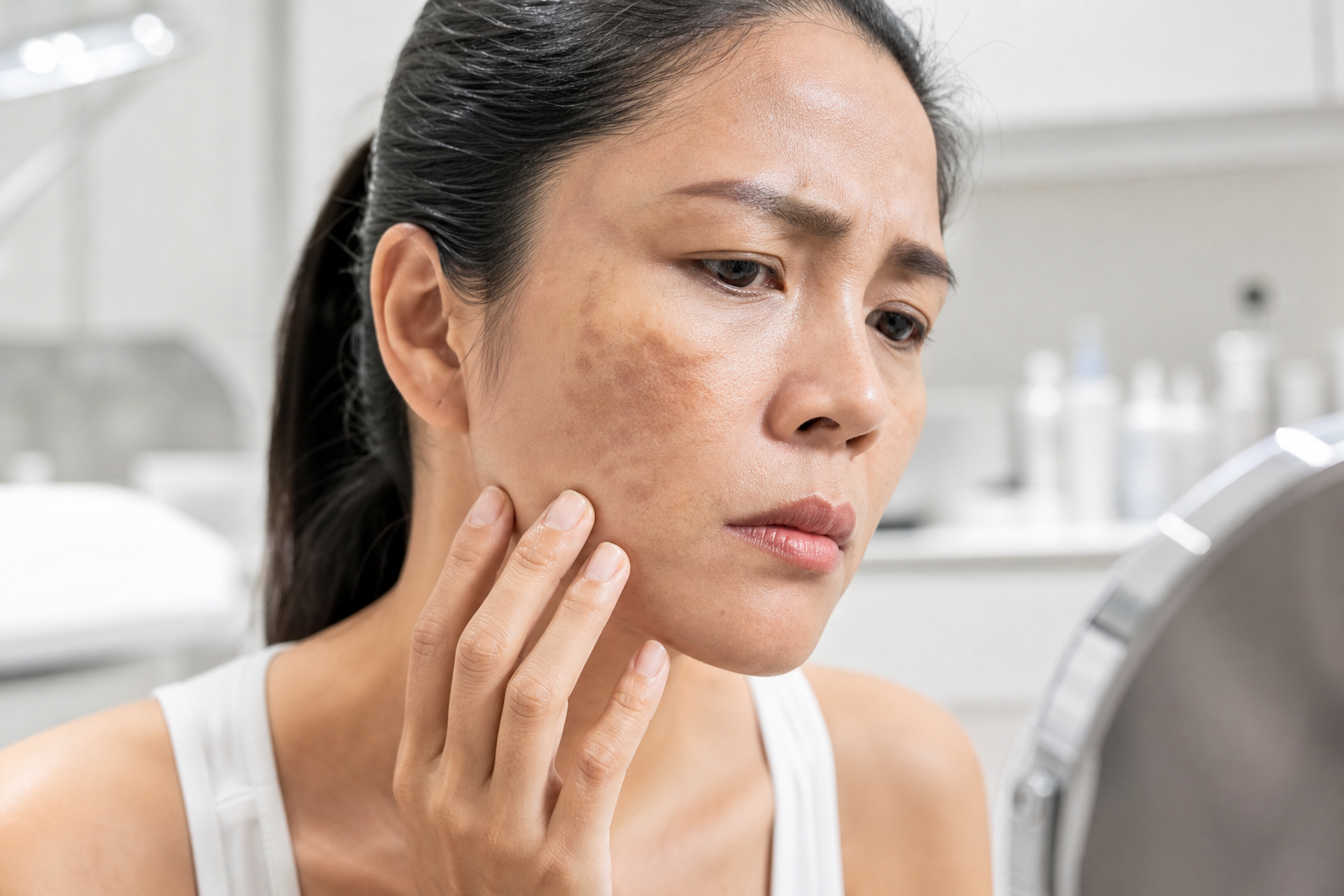
Feeling off for months can be confusing. You feel tired even after a full night of sleep; your mood is all over the place, and you wake up at 3 a.m. staring at the ceiling. Your basic lab work is called “normal,” yet you do not feel like yourself.
Hormone shifts are part of life for both women and men. That is true during perimenopause and menopause, during the gradual drop in testosterone for men, and during times of stress. But when symptoms are persistent and start to affect work, relationships, or confidence, it may be time to ask if a hormone imbalance is playing a role.
At our physician-led practice in Coral Springs, we see many people who are not sure if what they feel is “just aging” or something that deserves a closer look. Our goal here is to explain common hormone-related symptoms, outline when hormone replacement therapy may be considered, and help you see when a professional evaluation is safer than guessing or self-treating.
How Hormones Quietly Influence Your Energy, Mood, and Weight
Hormones are chemical messengers your body uses to communicate. They help control how fast you burn calories, how steady your mood feels, how well you sleep, and how strong your muscles and bones stay. Even small shifts can have a noticeable effect on how you feel day to day.
Key hormones that may affect how you feel include:
- Estrogen and progesterone, which influence menstrual cycles, hot flashes, mood, and sleep
- Testosterone, which affects muscle, sex drive, energy, and confidence in both women and men
- Thyroid hormones, which help set your metabolism “speed”
- Cortisol, your main stress hormone that affects energy patterns and weight around the midsection
When these hormones are out of balance, life can start to feel harder. You might notice:
- Dragging through the afternoon even when you went to bed on time
- Feeling tense, impatient, or unusually anxious
- Gaining weight around your waist even with reasonable eating and movement
- Waking up multiple times at night or feeling wired at bedtime
These symptoms do not always mean hormones are the cause. Stress, sleep habits, nutrition, certain medications, and other medical issues can create similar problems. That is why relying on symptoms alone can be misleading. A careful, evidence-based assessment is the safer path.
Common Hormone Imbalance Symptoms You Should Not Ignore
Hormone-related symptoms often creep in slowly. It is common to blame them on “getting older” or a busy schedule. Still, there are patterns that deserve attention, especially when they stick around for months.
Energy and sleep changes may look like:
- Ongoing fatigue even after sleep
- Unrefreshing sleep or waking up too early
- Insomnia or trouble staying asleep
- Relying on caffeine all day just to function
Mood and focus changes might include:
- Increased anxiety or feeling on edge
- Low mood or feeling emotionally “flat”
- Brain fog and feeling slower to think
- Forgetfulness or trouble focusing at work
Body changes can be clues as well:
- Stubborn weight gain, especially around the abdomen
- Muscle loss or decreased strength
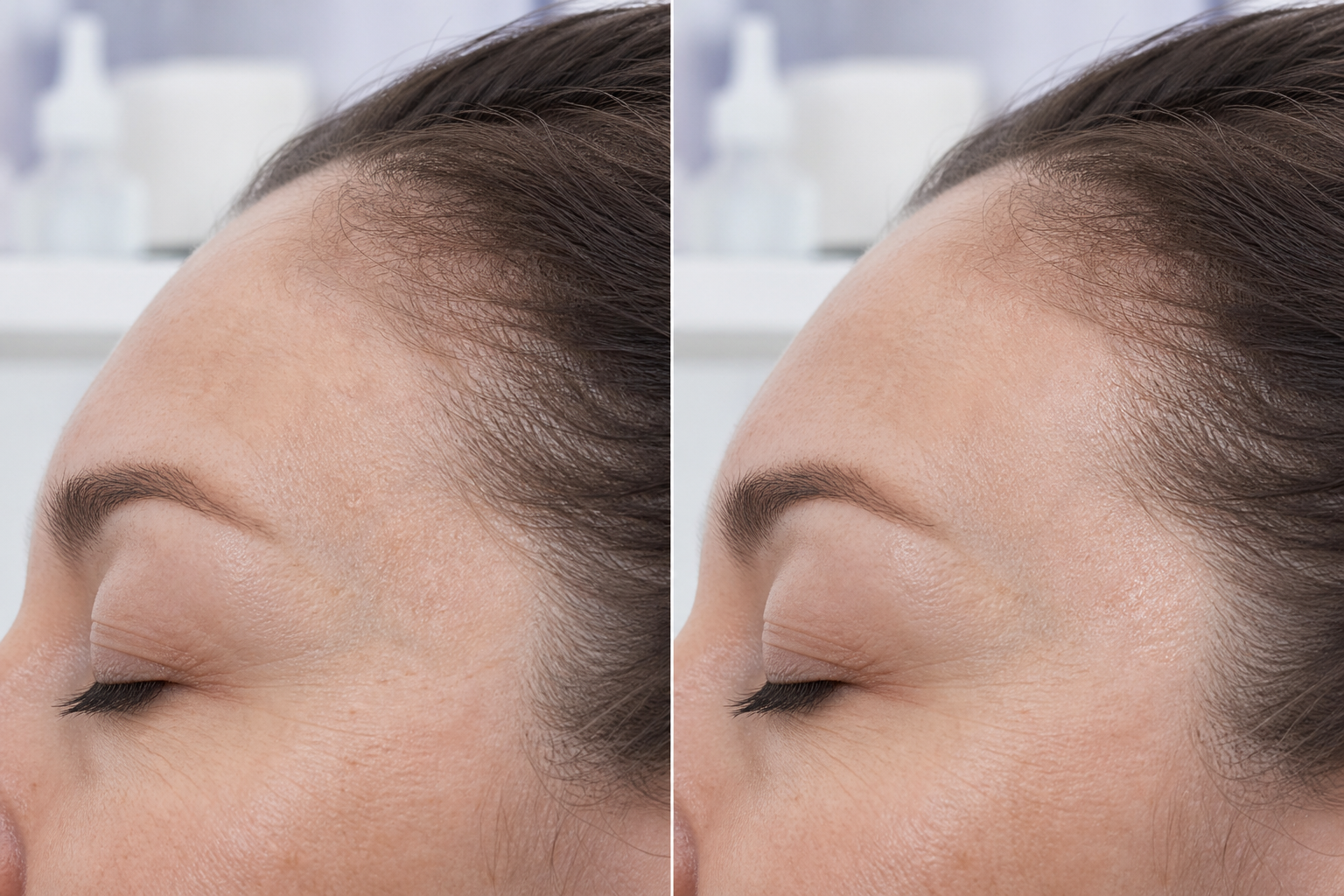
- Thinner skin or more fine lines
- Hair feeling more dry or brittle
Sexual and reproductive changes are common signs:
- Lower sex drive that does not match your normal pattern
- Vaginal dryness or discomfort with intercourse
- Erectile dysfunction in men
- Changes in menstrual cycles, such as irregular or heavier periods
Hormone changes show up differently across life stages. Women may notice hot flashes, night sweats, sleep trouble, and mood swings around perimenopause and menopause. Men may feel a slow drop in energy, strength, and libido as testosterone levels gradually decline. This is sometimes informally referred to as “andropause,” though it is not a direct equivalent to menopause and can vary widely between individuals.
Anyone dealing with long-term stress can have cortisol shifts that affect sleep and weight.
When symptoms last longer than a few months, keep you from enjoying daily life, or start to strain your relationships, it is time to talk with a physician.
Signs You Need Hormone Replacement Therapy Versus Lifestyle Tweaks
People often look for a checklist of signs you need hormone replacement therapy. There is no single list that fits everyone. A thoughtful decision blends your symptoms, your medical history, and lab testing, then weighs potential risks and benefits for your body.
Sometimes, focused lifestyle changes are enough, especially if your symptoms are mild and fairly new. Helpful basics can include:
- Consistent sleep and a calm wind-down routine at night
- Balanced meals with enough protein and whole foods
- Regular movement that includes both cardio and strength
- Practical stress management habits, like breathing exercises or short breaks
On the other hand, it may be time to discuss hormone therapy when you have:
- Moderate to severe hot flashes or night sweats that keep you from sleeping
- Ongoing low libido or sexual dysfunction that affects intimacy and self-esteem
- Unexplained fatigue, mood shifts, or weight changes that do not improve with healthy habits over time
At a physician-led practice, the process is structured rather than based on trial and error. We will typically:
- Review your symptoms in detail and when they began
- Go through your health history and current medications
- Order targeted blood work designed to answer specific clinical questions
- Talk through current medical evidence, possible benefits, and known risks
Many people worry about hormone therapy safety. Modern hormone replacement, when guided by a physician and monitored over time, can be more tailored than older one-size-fits-all methods. The plan is adjusted to your personal risk factors and goals instead of relying on a standard protocol.
What to Expect From a Hormone Evaluation in Coral Springs
A first visit for hormone concerns is usually a detailed conversation, not a quick prescription. You can expect to talk through:
- How you feel day to day, including energy, mood, sleep, and focus
- Changes in weight, body composition, or exercise tolerance
- Sexual health, menstrual cycles for women, and erectile function for men
- What you hope will improve, such as better sleep, more steady mood, or improved libido
Based on that discussion, a physician may order tests such as:
- Estrogen, progesterone, and testosterone levels
- Thyroid function markers
- Basic metabolic labs that give more context about your overall health
The focus is on the labs that are most relevant to your clinical picture, rather than very broad panels that may not add useful information.
If hormone replacement therapy is part of your plan, expectations matter. Some people notice changes in sleep, mood, and energy within a few weeks, while shifts in body composition, skin, and hair may take longer. Responses vary from person to person. Hormones are one piece of the puzzle and work best alongside sound nutrition, movement, and other appropriate medical and wellness support.
If additional therapies such as medically supervised weight management or other supportive treatments are considered, they should be incorporated thoughtfully, based on your health history, goals, and current medical evidence, rather than simply because they are available.
When Seasonal Shifts Make Symptoms Harder to Ignore
Here in South Florida, winter still feels warm, but life rhythms do change after the holidays. There is a return to work and school routines, longer to-do lists, and often less time for rest. Shorter daylight hours for people who travel or commute can also affect sleep and mood.
This is often the time when many people start new health goals around weight, energy, and performance. If you are eating well, moving your body, and still feel exhausted or stuck, hormone-related issues may start to stand out.
It is easy to blame everything on “seasonal ups and downs.” But if your fatigue, mood changes, sleep issues, or sexual symptoms have been showing up for several months, seem to be getting stronger, or are affecting your daily life, that is a clear signal to consider a professional hormone evaluation instead of waiting to see if it passes on its own.
Take Control Of Your Hormonal Health Today
If you recognize any of the signs you need hormone replacement therapy, we are here at MD Touch Aesthetics and Wellness to help you feel like yourself again. Our team will carefully review your symptoms, health history, and goals to create a plan tailored to your needs. Schedule a consultation today or contact us with your questions so you can move forward with clarity and confidence.