Dermal Filler Myths are pervasive, often creating unnecessary apprehension around a highly effective and safe aesthetic treatment. For those in Coral Springs considering facial rejuvenation, separating fact from fiction is crucial. Understanding the truth behind common misconceptions allows you to make informed decisions and achieve the natural, refreshed look you desire. Dermal fillers offer a powerful solution for restoring lost volume, smoothing wrinkles, and enhancing facial contours, but misinformation can obscure their true benefits and safety profile. This comprehensive guide will debunk the most common Dermal Filler Myths, revealing the powerful truths you need to know to approach treatment with confidence.
Key Takeaways: Debunking Dermal Filler Myths
- Understand that Dermal Filler Myths often stem from outdated information or poor technique, not the treatment itself.
- Learn why modern hyaluronic acid fillers do not permanently stretch your skin, countering a widespread Dermal Filler Myth.
- Discover how expert injectors ensure natural-looking results, dispelling the Dermal Filler Myth of an unnatural appearance.
- Recognize the established safety and reversibility of many fillers, addressing concerns about long-term use and permanence.
- Identify reliable sources and qualified professionals to navigate the landscape of Dermal Filler Myths and facts.
Unveiling the Most Common Dermal Filler Myths
Many individuals in Coral Springs are curious about aesthetic treatments, but often encounter a barrage of misinformation. The most common Dermal Filler Myths include the belief that they permanently stretch skin, always look unnatural, or are extremely painful. Another pervasive misconception is that all fillers are permanent and irreversible, or that they are exclusively for older individuals seeking dramatic changes. These misconceptions frequently arise from outdated information, sensationalized media portrayals, or anecdotal experiences with unqualified practitioners.
It’s important to approach cosmetic enhancements with a clear understanding of the science and proper application. Modern dermal fillers, especially those made with hyaluronic acid (HA), are sophisticated tools designed to work harmoniously with your body. They offer subtle, natural-looking enhancements when administered by a skilled professional. Let’s delve deeper into these prevalent Dermal Filler Myths and uncover the powerful truths.
Dermal Filler Myths About Skin Stretching
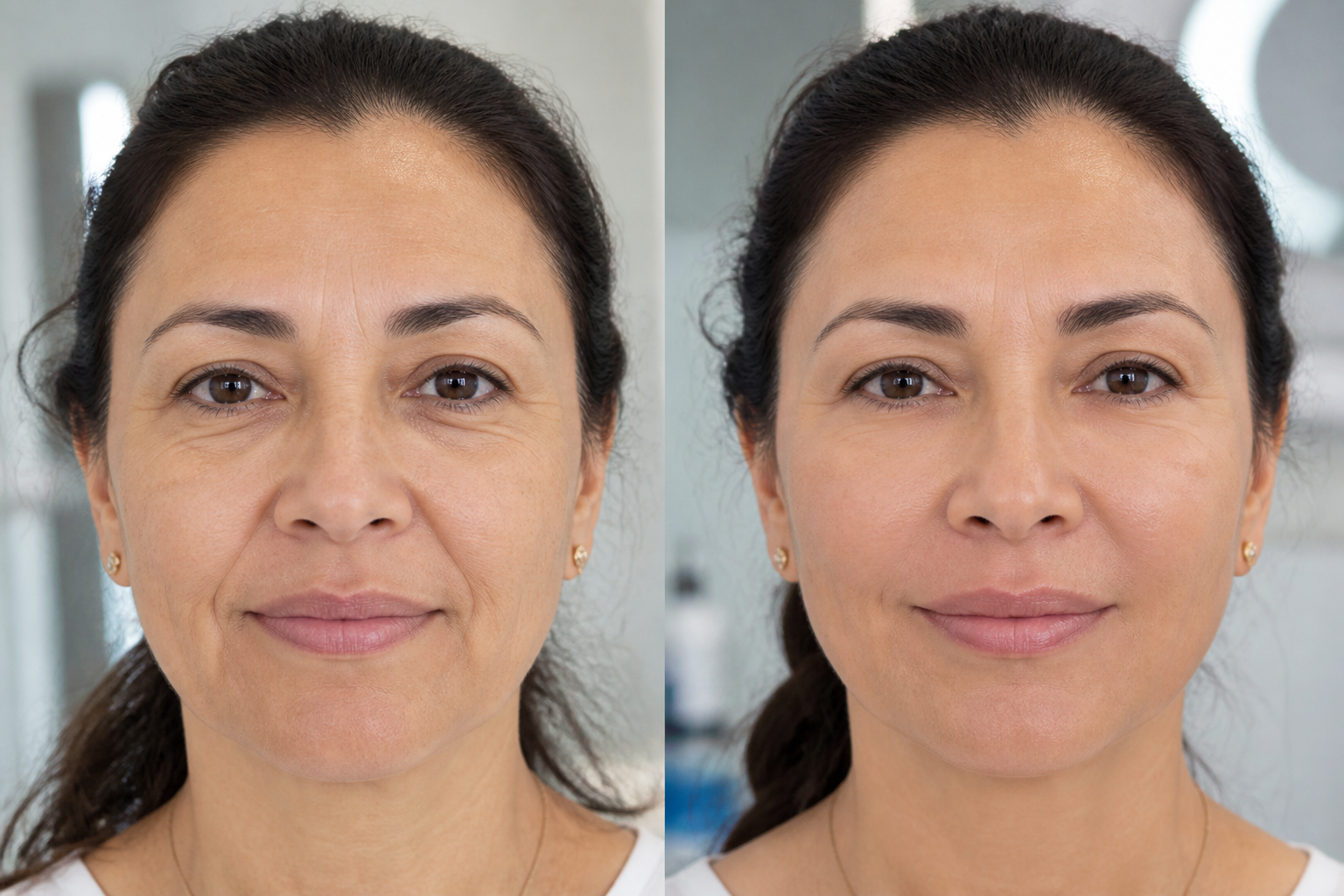
One of the most persistent Dermal Filler Myths is the idea that fillers permanently stretch your skin. This concern often leads people to hesitate, fearing that once the filler dissipates, their skin will appear looser or more wrinkled than before. However, this is largely untrue, especially with the hyaluronic acid (HA) fillers commonly used today. HA fillers are biocompatible gels that integrate smoothly into the skin’s tissue.
When HA fillers are metabolized by the body over several months, the skin typically returns to its original state. In some cases, the collagen stimulation triggered by the filler can even lead to improved skin quality over time. Proper administration by a skilled injector, who understands facial anatomy and avoids overfilling, is key to preventing any adverse effects and ensuring your skin maintains its natural elasticity.
For further scientific insights on dermal filler safety, consult the American Academy of Dermatology.
Addressing the Dermal Filler Myth of Unnatural Results
The fear of looking ”
Debunk Dermal Filler Myths with MD Touch Aesthetics and Wellness
Our expert team in Coral Springs, led by Dr. Carlos Jurado, provides safe, effective, and natural-looking dermal filler treatments. Experience personalized care and exceptional results tailored to your unique aesthetic goals.
What are the most common dermal filler myths?
Some pervasive dermal filler myths include the belief that they permanently stretch skin, always look unnatural, or are extremely painful. Another common misconception is that all fillers are permanent and irreversible, or that they are only for older individuals. These misconceptions often stem from outdated information or anecdotal evidence.
Is it true that dermal fillers stretch your skin permanently?
No, the myth that dermal fillers permanently stretch your skin is false. Modern hyaluronic acid (HA) fillers are biocompatible and designed to integrate smoothly. When fillers are metabolized, the skin typically returns to its original state. Proper administration by a skilled injector prevents permanent skin stretching.
Do dermal fillers make your face look fake or unnatural?
This is a common dermal filler myth. When administered by a highly skilled and experienced professional, dermal fillers enhance natural beauty, restore lost volume, and smooth lines without making the face look fake or unnatural. The goal is subtle rejuvenation, not drastic alteration. Overfilling or poor technique can lead to an unnatural look, but this is not typical of well-done procedures.
Are dermal fillers safe for long-term use, or is that a myth?
Yes, dermal fillers, particularly those made with hyaluronic acid, are considered safe for long-term use when administered by qualified professionals. HA is a substance naturally found in the body, making it highly compatible. Regular, appropriate treatments can maintain results safely over many years without adverse long-term effects. The safety profile is well-established through extensive clinical research.
Why do some people spread misinformation or myths about dermal fillers?
Misinformation and dermal filler myths often spread due to a lack of understanding, sensationalized media portrayals, or negative experiences from unqualified practitioners. Social media can also amplify rumors. It’s crucial to rely on medical professionals and reputable sources for accurate information.
How can I distinguish between facts and myths regarding dermal filler procedures?
To distinguish between facts and dermal filler myths, always consult board-certified dermatologists, plastic surgeons, or medical aesthetic providers with extensive experience. Look for information from reputable medical organizations, peer-reviewed journals, and established aesthetic clinics. Be wary of anecdotal evidence or overly dramatic claims online.
Who is qualified to administer dermal fillers to ensure safe and natural-looking results?
To ensure safe and natural-looking dermal filler results, only seek treatment from highly qualified medical professionals such as licensed physicians (dermatologists, plastic surgeons), physician assistants, or registered nurses who have specialized training and extensive experience in aesthetic injectables. Verify their credentials and ask to see before-and-after photos of their work.
Where can I find reliable sources to debunk dermal filler myths?
Reliable sources to debunk dermal filler myths include professional organizations like the American Academy of Dermatology, the American Society of Plastic Surgeons, and the American Society for Aesthetic Plastic Surgery. Reputable medical spas and clinics with credentialed staff, like MD Touch Aesthetics and Wellness, also provide evidence-based information.
What are the real risks and side effects of dermal fillers, separate from common myths?
Beyond dermal filler myths, real risks and side effects include temporary bruising, swelling, redness, and tenderness at the injection site. More serious, though rare, complications can include infection, allergic reaction, vascular occlusion, or lump formation. These risks are significantly minimized when administered by an experienced professional.
Is the myth that dermal fillers are painful true or false?
The myth that dermal fillers are always painful is largely false. While you might feel some mild discomfort or pressure, most modern fillers contain lidocaine (a local anesthetic), and topical numbing creams are applied before the procedure. Experienced injectors also use techniques to minimize discomfort, making the process very tolerable for most patients.
Can dermal fillers be dissolved or reversed, countering the myth of permanent results?
Yes, hyaluronic acid (HA) dermal fillers can be dissolved or reversed, countering the myth of permanent results. An enzyme called hyaluronidase can be injected to break down the HA filler quickly if a patient is unhappy with the results or in the rare event of a complication. This provides an important safety net and flexibility.
What are the actual costs of dermal fillers, debunking any myths about affordability?
The actual costs of dermal fillers vary significantly based on the type of filler, the amount used, the treated area, and the provider’s expertise and geographic location. It’s not a one-size-fits-all price, and a consultation is essential to get an accurate estimate. Avoid providers offering unusually low prices, as this might indicate less experience or diluted product, leading to poor results and debunking the myth of ‘cheap’ quality.
Why do some celebrities have visible filler, and is this due to poor technique or a myth about dosage?
Visible or ‘overdone’ filler in some celebrities is often due to poor technique, excessive product usage, or a desire for a very dramatic look that isn’t universally natural. It’s not a myth about dosage itself but rather the application of dosage and aesthetic judgment. A skilled injector prioritizes natural enhancement, avoiding the ‘puffy’ or ‘frozen’ appearance.
How long do dermal fillers really last, opposing myths of instant or eternal permanence?
Dermal fillers do not offer instant or eternal permanence. The duration depends on the type of filler, the area treated, and individual metabolism. Hyaluronic acid fillers typically last from 6 months to 18 months. Other types may last longer. Regular maintenance treatments are necessary to sustain results.
Should I get dermal fillers, considering the potential benefits versus debunked myths?
Deciding whether to get dermal fillers involves weighing potential benefits like improved appearance and confidence against debunked myths and real, albeit minimal, risks. A thorough consultation with a qualified professional, like those at MD Touch Aesthetics and Wellness, is crucial. They can assess your needs, discuss realistic outcomes, and determine if fillers are the right option for your aesthetic goals.