
Chemical Peel Recovery is a transformative journey for your skin, promising a refreshed and revitalized complexion. However, the true success of this popular aesthetic treatment lies not just in the peel itself, but in the meticulous care you provide afterward. For residents of Coral Springs seeking to maximize their results and ensure a smooth healing process, understanding the nuances of post-peel care is absolutely essential. This guide will illuminate the critical steps to navigate your recovery with confidence and achieve truly flawless skin.
Embarking on a journey to rejuvenate your skin requires dedication, especially during the crucial healing phase. From gentle cleansing to rigorous sun protection, every action you take contributes to the final outcome. We will delve into the science of skin healing, provide practical advice tailored for our sunny South Florida climate, and empower you with the knowledge to protect your investment in radiant skin. Prepare to discover the ultimate blueprint for a successful Chemical Peel Recovery.
Key Takeaways for Optimal Chemical Peel Recovery
- Understand the distinct stages and timelines of Chemical Peel Recovery, from mild flaking to deeper healing.
- Learn the 4 ultimate steps for flawless skin: gentle care, robust sun protection, avoiding irritants, and nourishing your body.
- Discover essential products and lifestyle adjustments that significantly enhance your Chemical Peel Recovery process.
- Recognize when to seek professional guidance to ensure safety and prevent complications during your healing journey.
What is Chemical Peel Recovery? Understanding the Process
Chemical Peel Recovery refers to the period immediately following a chemical peel procedure, during which your skin heals, regenerates, and reveals its new, smoother layer. This process is vital for achieving the desired results, whether you’ve had a superficial, medium, or deep peel. The intensity of your peel directly influences the recovery timeline and the specific care required, making personalized aftercare paramount.
The Science Behind Chemical Peel Recovery
A chemical peel works by applying a specialized solution to the skin, which exfoliates the damaged outer layers. This controlled injury stimulates the body’s natural healing response, promoting cellular turnover and the production of new collagen and elastin. The initial redness, peeling, and flaking you experience during Chemical Peel Recovery are all signs that your skin is actively shedding old cells and generating fresh, healthy ones. Understanding this biological process helps you appreciate the importance of supporting your skin through each stage.
Why Proper Chemical Peel Recovery Matters in Coral Springs
Proper aftercare is crucial for chemical peel results because it directly impacts the quality of your new skin and prevents potential complications. In Coral Springs, our abundant sunshine makes diligent sun protection non-negotiable during Chemical Peel Recovery. Neglecting aftercare can lead to issues like hyperpigmentation, infection, or prolonged redness, undermining the very benefits you sought from the peel. A well-managed recovery ensures optimal healing, minimizes downtime, and maximizes the rejuvenating effects, leading to a smoother, more even complexion.
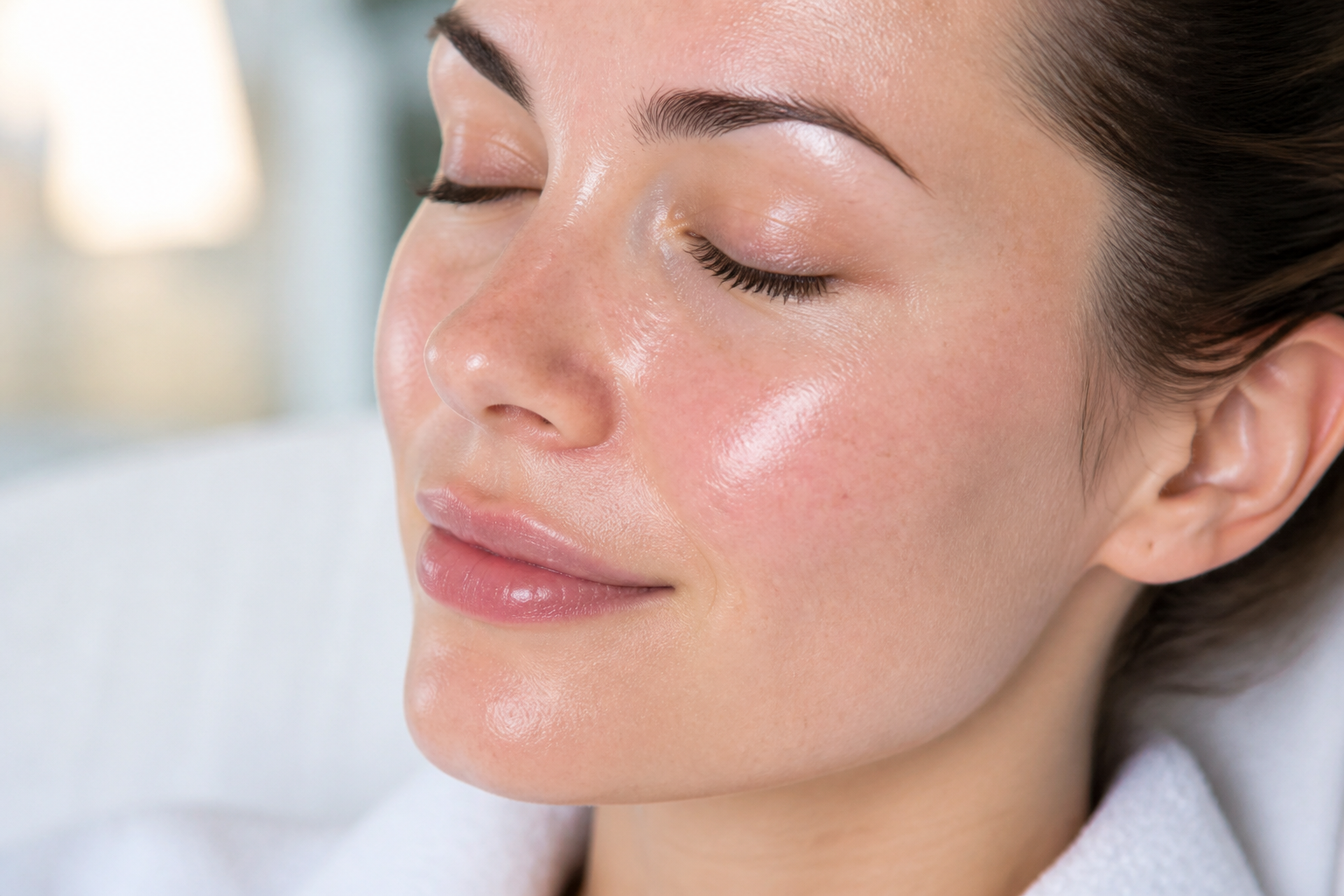
4 Ultimate Steps for Flawless Chemical Peel Recovery
Achieving a flawless complexion after your treatment hinges on a structured and consistent aftercare regimen. These four ultimate steps are designed to guide you through your Chemical Peel Recovery, ensuring your skin heals beautifully and reveals its radiant potential.
Step 1: Gentle Cleansing and Hydration for Chemical Peel Recovery
During Chemical Peel Recovery, your skin is incredibly sensitive and vulnerable. It is imperative to use only mild, non-foaming cleansers that are free of harsh chemicals, fragrances, and exfoliants. Gently wash your face with lukewarm water, avoiding any scrubbing or rubbing. Pat your skin dry with a soft towel. Hydration is equally critical; the best moisturizer for chemical peel recovery will be thick, occlusive, and hypoallergenic, helping to create a protective barrier and soothe dryness. Look for ingredients like ceramides, hyaluronic acid, and petrolatum. Apply moisturizer frequently throughout the day to keep your skin supple and comfortable.
Step 2: Sun Protection is Paramount During Chemical Peel Recovery
Sun exposure is the enemy of healing skin, especially during Chemical Peel Recovery. Your newly exposed skin is highly susceptible to UV damage, which can lead to hyperpigmentation, sunburn, and even scarring. Strict sun avoidance is non-negotiable. Always wear a broad-spectrum sunscreen with an SPF of 30 or higher, preferably a mineral-based formula containing zinc oxide or titanium dioxide. These physical blockers provide a gentle yet effective shield. Reapply sunscreen every two hours, and wear wide-brimmed hats and sunglasses whenever you step outside, even on cloudy days. This is particularly important for Coral Springs residents.
Step 3: Avoiding Irritants and Managing Side Effects During Chemical Peel Recovery
To minimize peeling and redness after a chemical peel, it is crucial to avoid picking or peeling your skin manually. Allow the skin to shed naturally to prevent scarring and infection. Refrain from using any active ingredients like retinoids, AHAs, BHAs, or vitamin C serums until your skin has fully healed. Common side effects during Chemical Peel Recovery include redness, swelling, tightness, and flaking. Cool compresses can help alleviate discomfort and reduce swelling. Over-the-counter pain relievers can also be used if recommended by your specialist. Always follow your practitioner’s specific instructions for managing discomfort.
Step 4: Nutritional Support and Lifestyle for Optimal Chemical Peel Recovery
Supporting your body from within can significantly aid your Chemical Peel Recovery. A diet rich in antioxidants, vitamins (especially C and E), and omega-3 fatty acids can promote healing and reduce inflammation. Hydrate generously by drinking plenty of water. Avoid strenuous exercise for at least 24-48 hours after a mild peel, and longer for deeper peels, as excessive sweating and increased blood flow can exacerbate redness and swelling. Listen to your body and prioritize rest. These lifestyle adjustments contribute to a smoother and faster healing process.
Achieve Flawless Chemical Peel Recovery with MD Touch Aesthetics
Trust our experts in Coral Springs, FL, for personalized post-peel care that ensures stunning, lasting results and a comfortable healing journey.
Common Questions About Chemical Peel Recovery Answered
Navigating your post-peel journey often comes with many questions. Here, we address some of the most common concerns regarding Chemical Peel Recovery to provide clarity and peace of mind.
Chemical Peel Recovery Timeline: What to Expect
What is the typical chemical peel recovery timeline? The duration varies significantly based on the peel’s depth. Mild peels, such as glycolic or lactic acid peels, usually involve 1-3 days of mild redness and light flaking. Medium peels, like TCA peels, can take 5-7 days with more noticeable peeling, redness, and swelling. During this time, the stages of healing after a chemical peel progress from initial inflammation to active peeling, revealing new, sensitive skin underneath. Deep peels have a much longer healing process.
Deep Chemical Peel Recovery: A Detailed Look
How long does it take to recover from a deep chemical peel? Deep chemical peel recovery is extensive, often requiring 2-3 weeks for initial healing, with residual redness possibly lasting for several months. These peels penetrate deeper into the skin layers, necessitating more intensive aftercare and a longer period of downtime. Strict adherence to your specialist’s instructions is paramount to ensure proper healing and prevent complications during this extended Chemical Peel Recovery phase.
Products for Post-Chemical Peel Recovery
What products should I use for post-chemical peel recovery? Opt for fragrance-free, hypoallergenic cleansers, rich hydrating moisturizers, and a mineral-based sunscreen (zinc oxide/titanium dioxide). Avoid retinoids, alpha hydroxy acids (AHAs), beta hydroxy acids (BHAs), and abrasive exfoliants until your skin is fully healed. Your specialist at MD Touch Aesthetics can recommend specific products tailored to your skin’s needs during Chemical Peel Recovery.
Exercise and Makeup During Chemical Peel Recovery
Can I exercise after a chemical peel? It is generally recommended to avoid strenuous exercise for at least 24-48 hours after a mild peel, and longer for medium to deep peels. Increased blood flow and sweat can irritate the healing skin. When can I wear makeup after a chemical peel? Generally, it’s advised to wait 5-7 days after a medium peel, or until your skin has stopped actively peeling, before applying makeup. For mild peels, 2-3 days might be sufficient, but always consult your specialist. Using mineral-based makeup is often preferred during Chemical Peel Recovery once approved.

When to Seek Expert Guidance for Chemical Peel Recovery
While Chemical Peel Recovery is typically straightforward, knowing when to seek professional help is crucial for your safety and optimal results. Your aesthetic provider is your primary resource throughout this process.
Recognizing Complications in Chemical Peel Recovery
Who should I contact if I experience complications during chemical peel recovery? Immediately contact your aesthetic provider or a dermatologist if you notice signs of infection (pus, fever, severe pain), excessive swelling, blistering, persistent redness beyond the expected timeline, or any unusual skin reactions. These could indicate complications that require prompt medical attention. Early intervention is key to managing these issues effectively and ensuring a successful Chemical Peel Recovery.
The Role of a Specialist in Your Chemical Peel Recovery Journey
Where can I find a dermatologist for chemical peel aftercare consultation? Your initial aesthetic provider, such as MD Touch Aesthetics in Coral Springs, is your best resource for comprehensive aftercare guidance. They are intimately familiar with your specific peel and skin type. They can provide personalized advice, recommend appropriate products, and monitor your progress. A trusted specialist ensures that your Chemical Peel Recovery is as smooth and effective as possible, helping you achieve the radiant skin you desire. For more information on skin health, you can consult reliable sources like the American Academy of Dermatology Association.
Your Chemical Peel Recovery is a critical phase that dictates the ultimate success of your skin rejuvenation journey. By diligently following these 4 ultimate steps—gentle care, robust sun protection, avoiding irritants, and nourishing your body—you empower your skin to heal beautifully and reveal its flawless potential. Remember that patience and consistency are your greatest allies during this time. For personalized guidance and expert care in Coral Springs, trust the professionals at MD Touch Aesthetics to support every stage of your recovery, ensuring stunning and lasting results.
Frequently Asked Questions About Chemical Peel Recovery
What is the typical chemical peel recovery timeline?
Mild peels (e.g., glycolic) usually involve 1-3 days of redness and light flaking. Medium peels (e.g., TCA) can take 5-7 days with more significant peeling and redness. Deep peels require weeks to months of intensive recovery.
How long does it take to recover from a deep chemical peel?
Deep chemical peel recovery is extensive, often requiring 2-3 weeks for initial healing, with residual redness possibly lasting for several months. Strict aftercare is crucial during this period.
What are the stages of healing after a chemical peel?
Healing typically progresses through initial redness and swelling (days 1-2), followed by peeling or flaking (days 3-7), revealing new, sensitive skin. The final stage involves gradual fading of redness and full epidermal regeneration over several weeks.
How to care for skin during chemical peel recovery?
During chemical peel recovery, keep your skin hydrated with gentle moisturizers, avoid direct sun exposure, and use a broad-spectrum SPF 30+ daily. Refrain from picking or peeling skin manually.
What products should I use for post-chemical peel recovery?
Opt for fragrance-free, hypoallergenic cleansers, rich hydrating moisturizers, and a mineral-based sunscreen (zinc oxide/titanium dioxide). Avoid retinoids, acids, and abrasive exfoliants until fully healed.
When can I wear makeup after a chemical peel?
Generally, it’s advised to wait 5-7 days after a medium peel, or until your skin has stopped actively peeling, before applying makeup. For mild peels, 2-3 days might be sufficient, but always consult your specialist.
How to minimize peeling and redness after a chemical peel?
To minimize peeling and redness during chemical peel recovery, consistently apply a hydrating moisturizer, use cool compresses for comfort, and strictly avoid harsh products or direct sun. Do not pick at peeling skin.
Why is proper aftercare crucial for chemical peel results?
Proper chemical peel recovery aftercare is crucial as it prevents complications like infection or hyperpigmentation, ensures optimal healing, and maximizes the rejuvenating benefits, leading to a smoother, more even complexion.